
Why Do Leaves Change Color in Fall? A Kid-Friendly Science Guide
Every autumn, trees across North America put on a spectacular show. Green maple, oak and birch leaves turn gold, orange and red, then drift to the ground. But why do leaves change color in fall? The answer is a fascinating bit of plant science that kids can understand and even test at home.
Leaves Are Tiny Food Factories
All summer long, leaves make food for the tree through photosynthesis. They use sunlight, water and carbon dioxide from the air to make sugar. The magic ingredient is a green pigment called chlorophyll. Chlorophyll is so plentiful in summer that it hides every other color in the leaf, which is why most leaves look bright green.
Trees keep making new chlorophyll all summer because sunlight slowly breaks it down. As long as days are long and warm, the green keeps coming.
What Happens When Days Get Shorter
In fall, the days get shorter and the nights get cooler. Trees sense these changes and start getting ready for winter. A thin layer of cells forms where each leaf stem joins the branch. This layer slowly blocks water from flowing into the leaf and sugar from flowing out.
Without fresh supplies, the leaf stops making chlorophyll. As the green fades away, colors that were hiding underneath finally get their turn to shine.
The Colors That Were Hiding All Along
- Yellow and orange come from pigments called carotenoids, the same pigments that make carrots orange and bananas yellow. They were in the leaf all summer, just covered up by green.
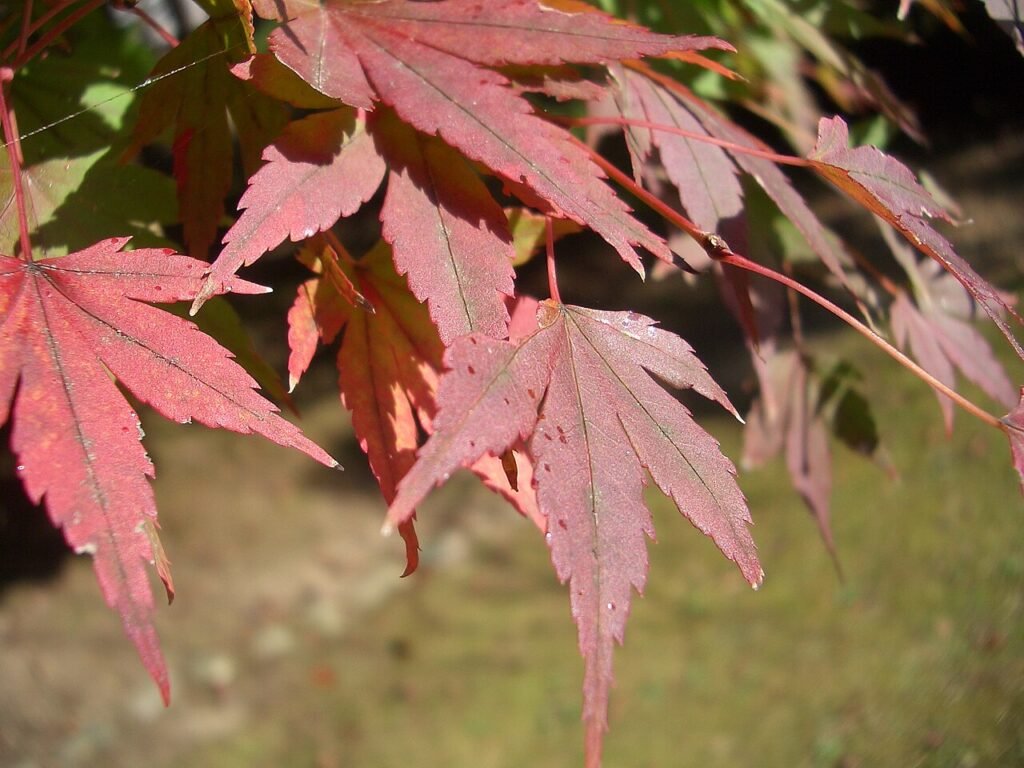
- Red and purple come from anthocyanins. Unlike carotenoids, these are made fresh in the fall when sugar gets trapped in the leaf on sunny days and cool nights.
- Brown comes from tannins, waste products left behind after the other pigments break down. Oak leaves often turn brown for this reason.
Why Some Autumns Are More Colorful
Weather plays a big role. A fall with sunny days and cool (but not freezing) nights produces the brightest reds, because those conditions help leaves make lots of anthocyanins. A very warm, cloudy or rainy fall usually gives duller colors. An early hard frost can turn leaves brown before they ever get the chance to glow.
That is why scientists and “leaf peepers” watch the weather each year to predict peak color in places like New England, the Great Smoky Mountains and the Upper Midwest.
Try It at Home: Leaf Chromatography
You can reveal hidden leaf colors with a simple experiment. Tear a few green leaves into tiny pieces and put them in a small jar. Add enough rubbing alcohol to cover them (an adult should help with this step). Mash the pieces with a spoon, cover the jar and let it sit in a bowl of warm water for 30 minutes.
Next, place a strip of coffee filter in the jar so one end touches the liquid. Over an hour or two, the liquid climbs the paper and separates into bands of green, yellow and sometimes orange. Those bands are the pigments that were inside the leaf all along.
Why Trees Drop Their Leaves
Broad, flat leaves lose lots of water and would freeze in winter. By dropping them, deciduous trees save energy and water until spring. Evergreens like pines keep their needles because the needles have a waxy coating and a small surface that helps them survive the cold.
Fallen leaves are not wasted, either. They break down into rich soil that feeds next year’s plants, insects and worms.
Frequently Asked Questions
Why do some trees turn red and others turn yellow?
Each kind of tree has its own mix of pigments. Maples and sweetgums make lots of red anthocyanins, while birches, aspens and hickories show mostly yellow carotenoids.
Do evergreen trees change color?
Most evergreens stay green all year. A few, like the tamarack and bald cypress, are conifers that turn gold and drop their needles in fall.
When is the best time to see fall colors?
Peak color usually arrives from late September in northern states to early November farther south, depending on elevation and weather.
Image: Aney / Wikimedia Commons, CC BY-SA 3.0
✍️ Have a story or article to share? Submit it for review and get published on Srikaram.org.