
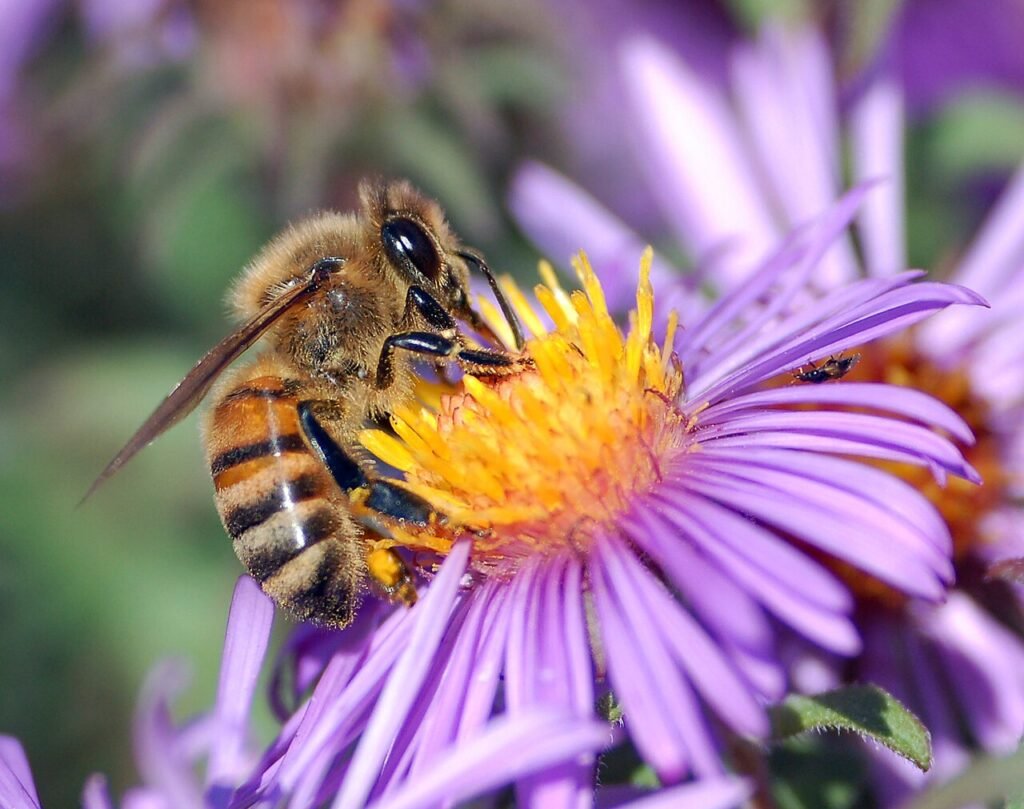
How Do Bees Make Honey? Fun Facts for Curious Kids
A spoonful of honey on toast tastes simple, but it is the result of one of nature’s most amazing teamwork projects. Thousands of honey bees work together to turn flower nectar into thick, golden honey. Here is how they do it, step by step, plus some fun facts that will make kids buzz with curiosity.
Step 1: Forager Bees Collect Nectar
Older worker bees, called foragers, fly from flower to flower sucking up sweet nectar with a long, straw-like tongue called a proboscis. They store the nectar in a special “honey stomach,” separate from the stomach they use for their own food. A single bee may visit hundreds of flowers on one trip.
Step 2: The Waggle Dance
When a forager finds great flowers, she returns to the hive and performs a waggle dance. The direction and length of the dance tell other bees where the flowers are and how far away. It is like a living map made of movement!
Step 3: Passing Nectar Mouth to Mouth
Back at the hive, the forager passes the nectar to house bees. They pass it from bee to bee, adding enzymes that break complex sugars into simpler ones. This starts turning watery nectar into honey.
Step 4: Fanning Away the Water
House bees spread the nectar into wax cells of the honeycomb. Then they fan their wings to evaporate water until the nectar becomes thick honey. When it is ready, they seal each cell with a cap of beeswax to store it for winter.
Buzzworthy Bee Facts
- A worker bee makes only about one-twelfth of a teaspoon of honey in her whole life.
- Bees must visit roughly two million flowers to make one pound of honey.
- A healthy hive can contain tens of thousands of bees, but only one queen.
- Honey stored properly can last for a very long time without spoiling.
- The color and flavor of honey depend on which flowers the bees visited.
Why Bees Matter
Bees are pollinators. As they move between flowers, they carry pollen that helps plants make fruits and seeds. Many foods we eat, like apples, blueberries, almonds and pumpkins, depend on pollinators.
How Kids Can Help Bees
- Plant bee-friendly flowers such as lavender, sunflowers and clover.
- Leave a shallow dish of water with pebbles for bees to land on.
- Avoid using pesticides in the garden.
- Watch bees calmly; they rarely sting unless they feel threatened.
Frequently Asked Questions
Do all bees make honey?
No. Honey bees make honey, but most of the thousands of bee species, like bumblebees and mason bees, do not store large amounts.
Why do bees sting?
Bees sting to protect themselves or their hive. Staying calm and still is the best way to avoid stings.
Is honey safe for babies?
Doctors advise not giving honey to babies under 12 months old.
Image: John Severns (Severnjc) / Wikimedia Commons, Public domain
✍️ Have a story or article to share? Submit it for review and get published on Srikaram.org.