
Photosynthesis for Kids: How Plants Make Their Own Food
Photosynthesis for Kids — Photosynthesis for kids explained simply: how plants use sunlight, water and air to make food and oxygen, with a fun experiment to try at home.
You eat breakfast, lunch, and dinner to get energy. But have you ever seen a tree eat? Plants don’t need a plate or a spoon, because they can make their own food. This amazing process is called photosynthesis.
What Does Photosynthesis Mean?
The word comes from two Greek words:
- Photo = light
- Synthesis = putting together
So photosynthesis means “putting together with light.” Plants use light to put together their own food.
What Do Plants Need?
Plants need three main ingredients:
- Sunlight – the energy source
- Water – taken in through the roots
- Carbon dioxide – a gas from the air, taken in through tiny holes in the leaves called stomata
The Secret Ingredient: Chlorophyll
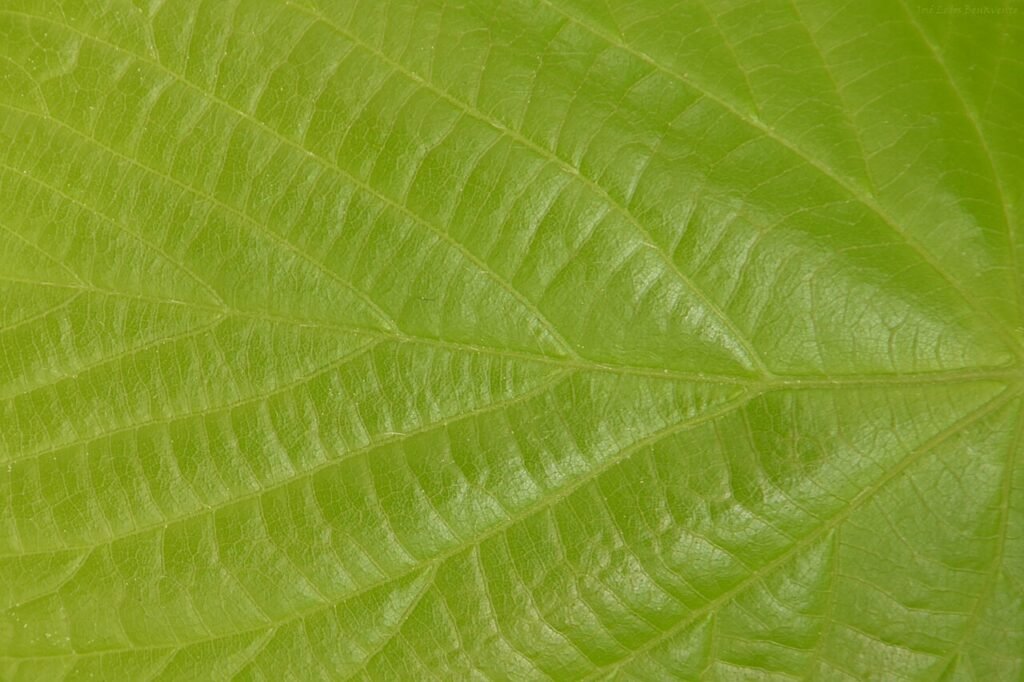
Leaves are green because they contain a green substance called chlorophyll. Chlorophyll works like a tiny solar panel, capturing energy from sunlight. It’s found inside small parts of plant cells called chloroplasts.
How Photosynthesis Works
- The roots soak up water from the soil.
- The water travels up the stem to the leaves.
- The leaves take in carbon dioxide from the air.
- Chlorophyll captures sunlight.
- Using the sun’s energy, the plant turns water and carbon dioxide into glucose, a type of sugar that is the plant’s food.
- The plant releases oxygen into the air as a by-product.
The Photosynthesis Recipe
Scientists write it like this:
Carbon dioxide + Water + Sunlight → Glucose (food) + Oxygen
Why Photosynthesis Is So Important
- Oxygen: The oxygen we breathe comes from photosynthesis by plants, algae, and tiny ocean organisms.
- Food: Almost every food chain starts with plants. When you eat rice, fruits, or vegetables, you’re eating energy the plant captured from the Sun.
- Clean air: Plants take in carbon dioxide, which helps balance the air we breathe.
That’s why protecting trees and forests matters so much!
Fun Facts About Photosynthesis
- Ocean plants and algae make a huge share of Earth’s oxygen.
- Some plants, like cactus, open their stomata at night to save water.
- Leaves change colour in autumn in some countries because chlorophyll breaks down, revealing yellow and orange colours.
- Plants store extra food in roots, stems, fruits, and seeds, which is why potatoes, carrots, and grains are full of energy.
Try It: The Leaf Bubble Experiment
You’ll need a fresh green leaf, a clear bowl of water, and a sunny spot.
- Place the leaf in the bowl of water.
- Put a small stone on it so it stays under water.
- Leave the bowl in bright sunlight for a few hours.
- Look closely. Do you see tiny bubbles on the leaf?
Those bubbles are gases released by the leaf, a sign that it’s working in the sunlight.
Try It: Leaf Colours
Cover part of a leaf on a living plant with a small piece of foil for several days. When you remove it, the covered part may look paler, because it didn’t get sunlight to make chlorophyll and food. (Ask an adult to help, and don’t harm the plant.)
Final Thoughts
Plants are nature’s food factories, quietly turning sunshine into food and oxygen for the whole planet. The next time you sit under a tree, say thank you: it’s working hard for you!
You May Also Enjoy
- How Children Learn to Lie — And What It Actually Tells You About Their Development
- The Science of Boredom: Why Your Child’s Boredom Is a Gift You Keep Stealing
- The Gifted Child Trap: Why Labelling Kids as ‘Smart’ Is Holding Them Back
More: Science for Kids · Stories in 14 languages · Srikaram home
✍️ Have a story or article to share? Submit it for review and get published on Srikaram.org.