
Traditional Andhra Breakfast: 9 Healthy Telugu Breakfast Dishes Kids Love
In Telugu homes, breakfast, or tiffin, is a serious and joyful affair. The morning often begins with the sound of batter sizzling on a hot penam (griddle) and the smell of ginger, cumin, and curry leaves filling the kitchen.
Traditional Andhra breakfast dishes are not just delicious; many are built on fermented batters, lentils, and whole grains, which makes them wholesome choices for growing children. Here are nine classic Telugu breakfast dishes, plus the chutneys that go with them.
1. Pesarattu (పెసరట్టు)
Pesarattu is Andhra’s signature breakfast. It is a thin, crispy crepe made from soaked whole green gram (pesalu, or moong), blended with green chillies, ginger, and a little rice. Because green gram is rich in plant protein and fibre, pesarattu is one of the most nourishing breakfasts around.
A famous variation is MLA Pesarattu, stuffed with hot upma. Serve it with ginger chutney (allam pachadi). For children, reduce the chillies and add grated carrot or chopped onion.
2. Idli (ఇడ్లీ)
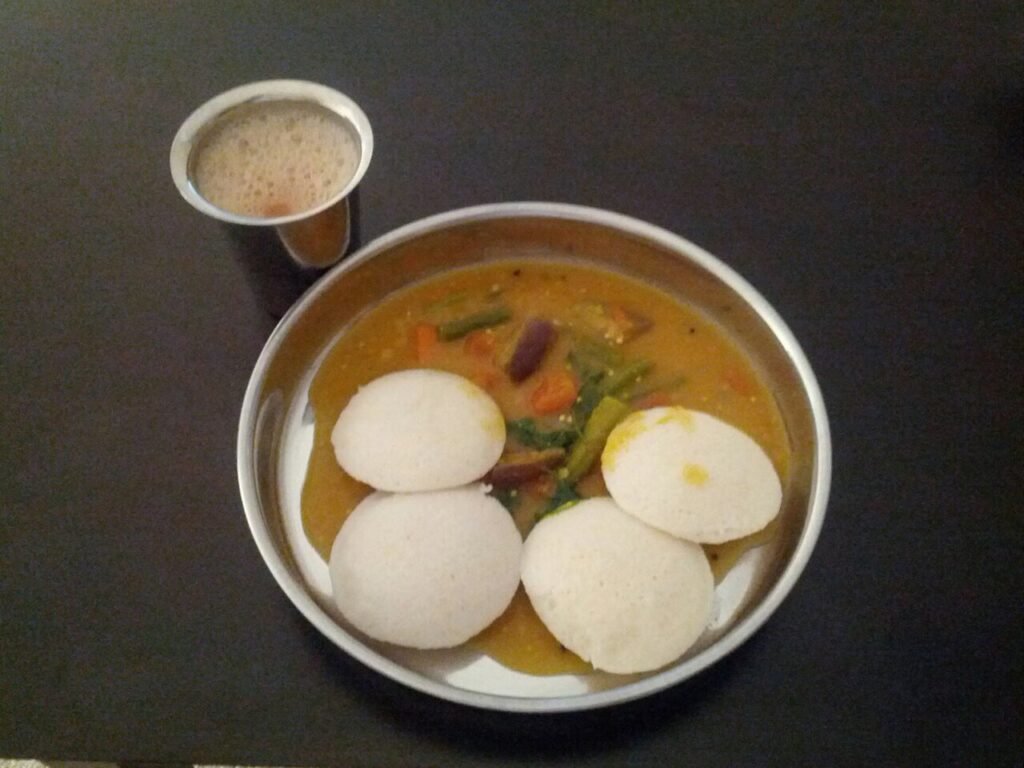
Soft, fluffy steamed cakes made from fermented rice and urad dal batter. Idli is gentle on the stomach, easy for little ones to eat, and pairs well with coconut chutney, peanut chutney, or sambar. Many Andhra homes also serve idli with karam podi (spiced lentil powder) and a drizzle of ghee.
3. Dosa (దోశ)
Made from a similar fermented batter as idli but spread thin and crisp on a hot griddle. Kids love variations like ghee dosa, onion dosa, or a cheese dosa as a modern twist. Rolling a dosa into a cone shape is a guaranteed hit with young children.
4. Upma (ఉప్మా)
A quick, comforting dish made from roasted semolina (rava) cooked with mustard seeds, curry leaves, onions, and vegetables. It is ready in about fifteen minutes, which makes it a favourite on busy school mornings. Add peas, carrots, and beans for extra nutrition.
5. Minapa Garelu (మినప గారెలు)
Crispy, doughnut-shaped fritters made from urad dal batter with ginger, green chillies, and curry leaves. Garelu are especially popular on festival mornings and weekends. They’re delicious with coconut chutney or dipped in spiced yogurt as perugu garelu.
6. Punugulu (పునుగులు)
Crunchy, bite-sized fritters made from leftover idli or dosa batter, a wonderful example of Telugu kitchens wasting nothing. Punugulu are a popular street food in Andhra Pradesh and make a fun weekend treat for children.
7. Uggani (ఉగ్గాని)
A beloved breakfast from the Rayalaseema region, made from puffed rice (borugulu) tempered with onions, green chillies, peanuts, and turmeric. It’s light, quick to prepare, and often served with a crispy chilli bajji or mirapakaya bajji.
8. Pongal (పొంగలి)
Savoury ven pongal is a soft, comforting mix of rice and moong dal cooked with black pepper, cumin, ginger, and ghee. Its mild, creamy texture makes it a great breakfast for young children.
9. Ragi Dosa or Ragi Java
Finger millet (ragi) is naturally rich in calcium and fibre. Ragi dosa is a crispy, earthy alternative to regular dosa, while ragi java, a warm porridge made with milk or buttermilk, is a traditional breakfast and a popular first food for babies in many Telugu families.
The Chutneys That Make It Special
No Telugu breakfast is complete without chutney (pachadi):
- Allam Pachadi (Ginger Chutney): Sweet, tangy, and spicy, made with ginger, tamarind, and jaggery. The perfect partner for pesarattu.
- Palli Chutney (Peanut Chutney): Creamy and nutty, a child favourite.
- Kobbari Chutney (Coconut Chutney): Fresh and mild, great with idli and dosa.
- Karam Podi: A dry spice powder of roasted lentils, chillies, and garlic, mixed with ghee or oil.
Tips for Serving Traditional Breakfasts to Kids
- Reduce the spice. Keep a mild portion aside before adding extra chillies.
- Make it fun. Cut dosas into shapes or make mini idlis.
- Let children help. Spreading dosa batter or grinding chutney is a great way to involve them.
- Tell the story. Share where the dish comes from and who in the family made it best.
Final Thoughts
A traditional Andhra breakfast is more than a meal; it’s a taste of home, family, and heritage. Introducing children to these dishes gives them healthy habits and a delicious connection to their Telugu roots, one pesarattu at a time.
You May Also Enjoy
- Telugu Food as Philosophy: What Our Cuisine Teaches Us About Life
- Vijayanagara: The Empire That Saved South Indian Civilisation
- The Hidden Curriculum: What Children Learn When No One Is Teaching Them
More: World History & Culture · Stories in 14 languages · Srikaram home
✍️ Have a story or article to share? Submit it for review and get published on Srikaram.org.