
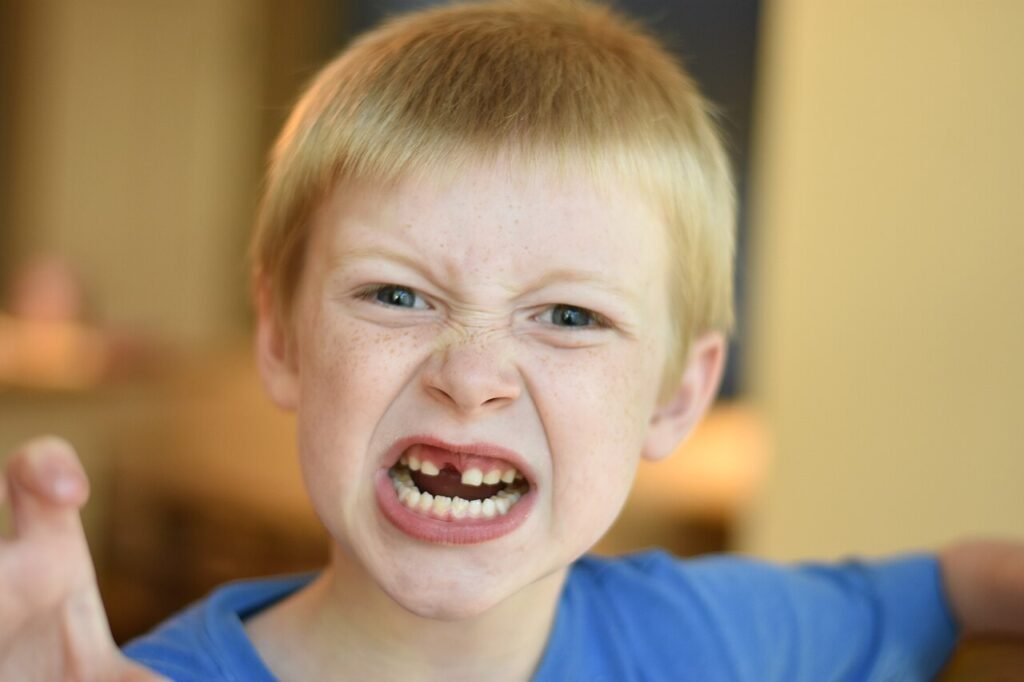
Anger Management for Kids: How to Help Children Handle Big, Angry Feelings
Every child gets angry. A sibling takes a toy, a game is lost, bedtime arrives too soon. Anger itself is not bad; it is a normal emotion that tells us something feels unfair or frustrating. The goal of anger management for kids is not to stop anger, but to help children express it safely and calm down.
Why Children Get So Angry
- Their brains are still developing. The parts of the brain that manage impulses mature slowly through childhood and adolescence.
- They lack words. Younger children may hit or scream because they can’t yet explain how they feel.
- Hidden feelings. Anger often covers other emotions such as embarrassment, sadness, fear, or tiredness.
- Physical needs. Hunger, lack of sleep, and overstimulation make angry outbursts far more likely.
Step 1: Teach the Language of Feelings
Children who can name emotions are better at managing them. Use words like frustrated, disappointed, annoyed, jealous, and furious. Emotion charts, feeling faces, and stories are great tools. When your child is upset, name it for them: “You look really frustrated that the puzzle won’t fit.”
Step 2: Help Them Notice Body Signals
Anger shows up in the body before it explodes. Ask your child: “What happens in your body when you get angry?” They might say hot cheeks, tight fists, a fast heartbeat, or a loud voice. These are early warning signs to use a calming strategy.
Step 3: Build a Calm-Down Toolkit
Practise these strategies when your child is calm, so they can use them when upset:
- Balloon breathing: Breathe in slowly as if blowing up a balloon, then let the air out slowly.
- Count to ten in English, Telugu, or both.
- Squeeze and release: Squeeze a soft ball or make tight fists, then relax.
- Move the energy: Jump ten times, stomp feet, or run around the garden.
- Take space: Go to a calm corner with cushions, books, or a favourite toy.
- Draw it out: Scribble or draw the angry feeling on paper.
Step 4: Stay Calm Yourself
Children learn anger management by watching adults. When you respond to anger with shouting, anger grows. When you respond with a calm voice and steady presence, your child borrows your calm. It’s okay to say, “I’m feeling frustrated too. I’m going to take three deep breaths.”
Step 5: Set Clear Limits on Behaviour
All feelings are allowed, but not all behaviour is. Say clearly: “It’s okay to be angry. It’s not okay to hit. You can stomp your feet or squeeze your pillow instead.”
Step 6: Talk and Problem-Solve Later
Once your child is calm, talk about what happened:
- “What made you so angry?”
- “What did your body feel like?”
- “What could you do next time?”
Help them find solutions: asking for a turn, walking away, or asking an adult for help.
Use Stories to Teach Anger Management
Stories let children explore anger from a safe distance. After reading a story like The Echo Well, ask how the character felt, what they did, and what they could have done differently.
When to Seek Extra Help
Talk to your paediatrician or a child mental health professional if your child’s anger is very frequent or intense, leads to harming themselves or others, or doesn’t improve as they grow older.
Final Thoughts
Learning to manage anger is a lifelong skill. With patience, practice, and a calm adult by their side, children can learn that angry feelings are manageable and that they always have better choices than hurting others.
You May Also Enjoy
- Raising Un-Hackable Kids: Teaching Cybersecurity Basics to 10-Year-Olds
- Gen Alpha Parenting: 5 Ways to Manage Preteen Screen Time in 2026
- 10 Brain-Boosting Foods That Improve a Child’s Memory
More: Child Psychology · Stories in 14 languages · Srikaram home
✍️ Have a story or article to share? Submit it for review and get published on Srikaram.org.