
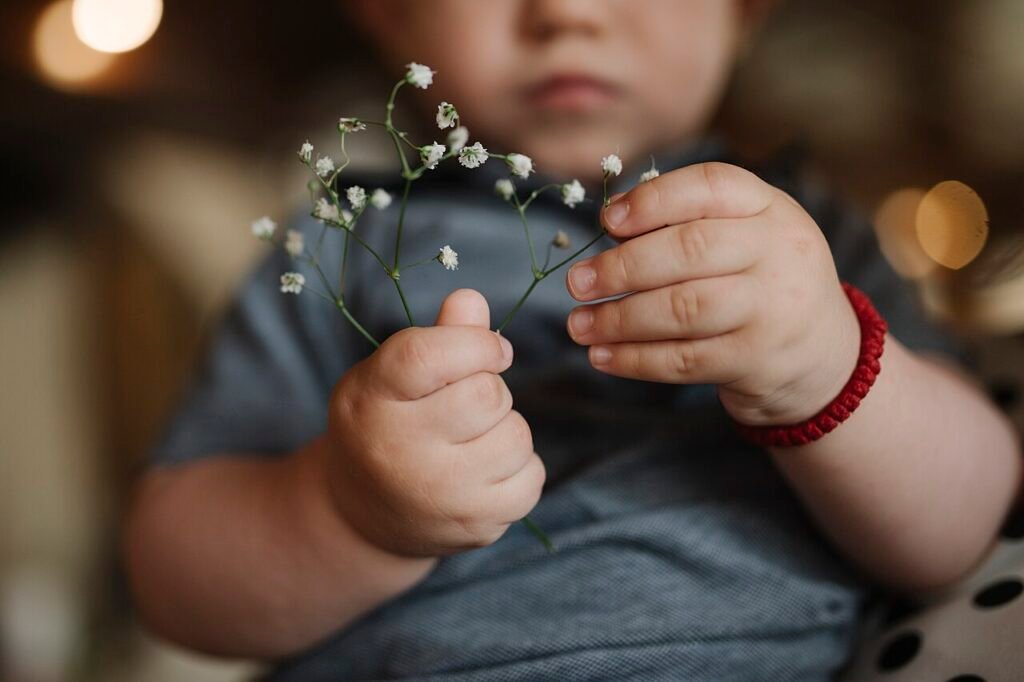
Image: <a href="https://commons.wikimedia.org/wiki/File:Child_exploring_nature_holds_delicate_white_flowers.jpg" rel="nofollow noopener" target="_blank">Shixart1985 / Wikimedia Commons</a> (CC BY 2.0)
鼓励提问、一起探索、允许犯错——在日常生活中保护和培养孩子的好奇心。
English Summary
This Simplified Chinese article gives parents seven ways to nurture children’s curiosity: welcome questions, answer with “Let’s find out together,” explore nature, do simple experiments at home, visit libraries and museums, allow mistakes, and limit passive screen time. It explains that curiosity drives lifelong learning and creativity.
This article is written in Chinese (中文).
“为什么天是蓝的?””蚂蚁住在哪里?”孩子总有问不完的问题。这正是好奇心——学习最好的老师。
七个建议
1. 欢迎提问:即使问题很多,也耐心倾听,不要说”别问了”。
2. 一起寻找答案:不知道答案时,可以说:”我们一起查一查吧!”
3. 走进大自然:观察树叶、昆虫、云朵,自然是最大的教室。
4. 在家做小实验:
- 让鸡蛋浮在盐水上
- 用醋和小苏打做”火山”
- 种一颗豆子,记录它的生长
5. 去图书馆和博物馆:美国很多图书馆和博物馆都有免费的儿童活动。
6. 允许犯错:错误是探索的一部分,重要的是从中学习。
7. 减少被动看屏幕:多一些动手、动脑的时间。
为什么重要?
好奇的孩子更愿意主动学习,也更有创造力。
结语
保护孩子的好奇心,就是为他们打开通向世界的大门。
Vocabulary
| Word | Pronunciation | Meaning |
|---|---|---|
| 好奇心 | hàoqíxīn | curiosity |
| 提问 | tíwèn | to ask questions |
| 耐心 | nàixīn | patient |
| 探索 | tànsuǒ | to explore |
| 实验 | shíyàn | experiment |
| 博物馆 | bówùguǎn | museum |
| 犯错 | fàncuò | to make mistakes |
| 创造力 | chuàngzàolì | creativity |
Image: Shixart1985 / Wikimedia Commons (CC BY 2.0)
✍️ Have a story or article to share? Submit it for review and get published on Srikaram.org.