
Vemana Padyalu With Meaning: Timeless Telugu Poems and Their Lessons for Kids
For generations, Telugu children have grown up reciting Vemana padyalu, short four-line poems that end with the famous refrain “Vishwadabhirama Vinura Vema.” These verses are simple enough for children to memorise, yet wise enough for adults to think about for a lifetime.
Who Was Vemana?
Yogi Vemana was a Telugu poet and philosopher who is generally believed to have lived around the 17th century in the Rayalaseema region of present-day Andhra Pradesh. Unlike many poets of his time, who wrote in complex classical language, Vemana wrote in simple, everyday Telugu so that ordinary people could understand him.
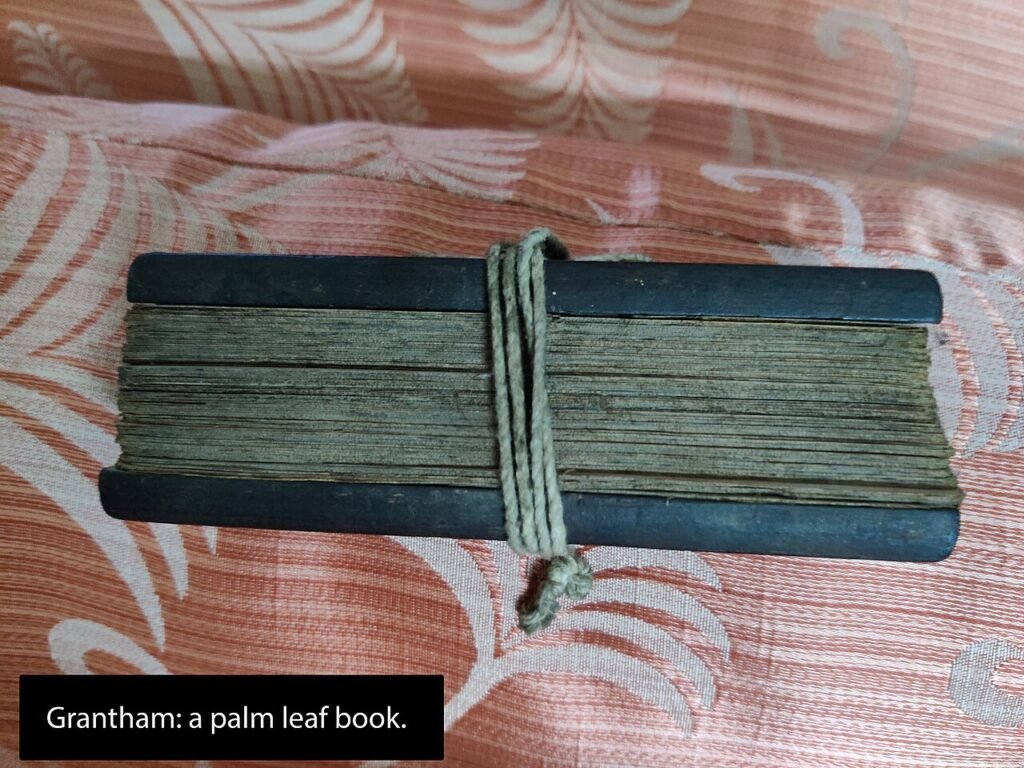
His poems speak against hypocrisy, pride, and empty rituals, and celebrate honesty, practice, kindness, and inner purity. Many of his verses were passed down orally for generations before being collected.
Three Famous Vemana Padyalu
1. Salt and Camphor
ఉప్పు కప్పురంబు నొక్కపోలికనుండు
చూడ చూడ రుచుల జాడ వేరు
పురుషులందు పుణ్య పురుషులు వేరయా
విశ్వదాభిరామ వినుర వేమ
Meaning: Salt and camphor look almost the same; both are white crystals. But when you taste them, they are completely different. In the same way, all people may look alike, but truly good people are different in their character.
Lesson for kids: Don’t judge people by how they look. What matters is how they behave.
2. Practice Makes Perfect
అనగ ననగ రాగ మతిశయిల్లుచునుండు
తినగ తినగ వేము తియ్యనుండు
సాధనమున పనులు సమకూరు ధరలోన
విశ్వదాభిరామ వినుర వేమ
Meaning: The more you sing, the better your music becomes. The more you eat bitter neem, the sweeter it seems. In this world, everything is achieved through practice.
Lesson for kids: Whether it’s maths, music, handwriting, or Telugu, regular practice makes difficult things easy.
3. Purity of Heart
ఆత్మశుద్ధి లేని ఆచారమదియేల
భాండశుద్ధి లేని పాకమేల
చిత్తశుద్ధి లేని శివపూజలేలరా
విశ్వదాభిరామ వినుర వేమ
Meaning: What use are rituals without a pure soul? What use is cooking in an unclean pot? What use is worshipping Shiva without a pure mind?
Lesson for kids: Being good on the inside matters more than simply following rules on the outside.
What Does “Vishwadabhirama Vinura Vema” Mean?
This refrain closes almost every Vemana poem. It is often understood as an address meaning “Listen, O Vema, beloved of the world.” Scholars have offered different interpretations of Vishwadabhirama, but for children, it works like a signature: when you hear it, you know it’s a Vemana poem.
How to Teach Vemana Padyalu to Children
- One poem at a time. Learn one verse a week.
- Explain before memorising. Talk about the meaning with real-life examples.
- Use rhythm. Recite the poem in a sing-song way; the metre makes it easy to remember.
- Act it out. For “salt and camphor,” let children look at (not taste!) the two, and talk about appearances.
- Connect to daily life. When your child practises something, remind them of sadhanamuna panulu samakooru.
Final Thoughts
Vemana’s poems have survived for centuries because their wisdom is simple, practical, and universal. Teaching them to children gives them not only beautiful Telugu, but also values they can carry for life.
You May Also Enjoy
- 10 Telugu Proverbs That Contain More Wisdom Than a Shelf of Self-Help Books
- Pothana’s Bhagavatam: The Poet Who Defied a King for His Devotion
- The Secret Language of Telugu Cinema: How Tollywood Shapes Cultural Identity
More: Telugu Language · Stories in 14 languages · Srikaram home
✍️ Have a story or article to share? Submit it for review and get published on Srikaram.org.