
Teaching Gratitude to Kids: 9 Simple Daily Practices for a Thankful Family
“Say thank you!” It is probably one of the phrases parents repeat most often. But true gratitude is much more than good manners. It is a way of seeing the world: noticing the good things in life and recognising the people and effort behind them.
Research in positive psychology links gratitude with greater happiness, better relationships, and more resilience in both adults and children. The best part? Gratitude is a skill that can be practised and taught. Here are nine simple ways to make gratitude part of your family’s daily life.
Why Gratitude Matters for Children
- Happier moods. Focusing on what they have helps children feel more content.
- Stronger empathy. Thankful children notice the kindness and effort of others.
- Less entitlement. Gratitude balances the “I want more” mindset.
- Better relationships. Expressing thanks strengthens friendships and family bonds.
1. Model Gratitude Yourself
Children learn by watching. Thank the bus driver, the shopkeeper, your partner, and your children. Say it out loud: “I’m so grateful we had this sunny day at the park.”
2. Start a Gratitude Jar
Keep a jar and small slips of paper on the kitchen table. Each day, every family member writes or draws one thing they are thankful for. At the end of the month, or during a festival, read them together.
3. Share “Three Good Things” at Dinner or Bedtime
Ask each person to share three good things from their day. For younger children, one is enough. Over time, children begin to look for good moments throughout the day so they have something to share.
4. Go Beyond “Thank You” to “Thank You Because…”
Encourage specific thanks: “Thank you, Nanna, for fixing my bicycle, because now I can ride to my friend’s house.” Specific gratitude helps children understand the effort behind a kind act.
5. Write Thank-You Notes
After birthdays or festivals, help children write or draw thank-you cards for gifts. Even a simple drawing with “Thank you, Pinni!” teaches that gifts come from people who care.
6. Connect Food With Gratitude
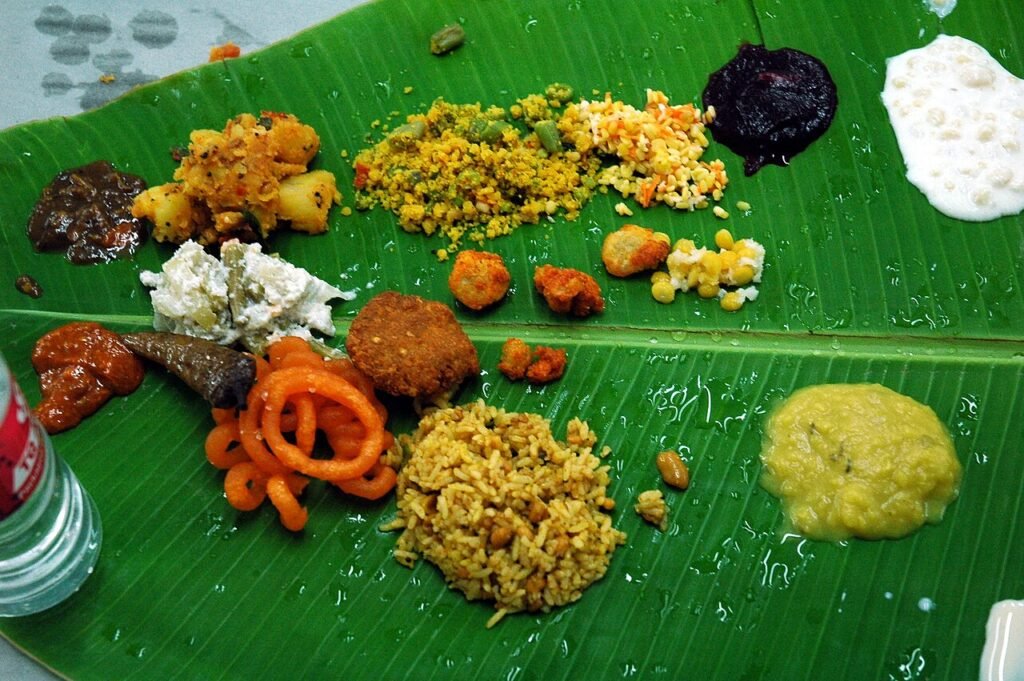
Many Indian families pause before meals to offer thanks. Explain where food comes from: the farmer who grew the rice, the rain that watered it, and the person who cooked it. Festivals like Sankranti, a harvest thanksgiving, are a beautiful time to talk about this.
7. Give Children Chances to Help
Children appreciate effort more once they have experienced it. Let them help cook, clean, water plants, or care for a younger sibling. Afterwards, thank them sincerely for their contribution.
8. Practise Giving
Involve children in giving: donating toys they have outgrown, packing food for a local shelter, or helping at a temple or community event. Seeing different life situations helps children appreciate their own blessings.
9. Read Stories About Gratitude
Stories help children feel gratitude, not just hear about it. Folktales often show characters who learn to appreciate what they have. Try our story The Farmer Who Waited for Rain, and then ask, “What was Narayana grateful for?”
What to Avoid
- Forcing thanks. A demanded “thank you” can feel empty. Gently model and remind instead.
- Guilt-based comparisons. “Other children have nothing, so be grateful!” can create shame rather than true gratitude.
- Expecting instant results. Gratitude grows slowly, especially in young children whose brains are still developing perspective-taking.
Gratitude by Age
- Ages 2 to 4: Model simple thanks and name good things: “I’m thankful for this yummy mango!”
- Ages 5 to 8: Gratitude jars, thank-you drawings, and “three good things.”
- Ages 9 and up: Gratitude journals, volunteering, and conversations about the people behind everyday comforts.
Final Thoughts
Gratitude isn’t a lesson taught once; it’s a family habit built over many small moments. When children learn to notice the good in their lives and the people who make it possible, they grow into kinder, happier, and more resilient adults.
You May Also Enjoy
- Why Supplemental Education is the Secret to Beating Classroom Burnout
- 4 Creative Emotion Wheel Activities to Build Your Child’s Emotional Vocabulary
- The Truth About AI in Early Childhood Education: Helpful or Harmful?
More: Child Psychology · Stories in 14 languages · Srikaram home
✍️ Have a story or article to share? Submit it for review and get published on Srikaram.org.