
The Cobbler’s Wish: A Short Story About Contentment for Kids
The Cobbler’s Wish — Subbayya the cobbler wishes for a richer life, until his wish comes true. A short story about contentment for kids, set in a Guntur bazaar.
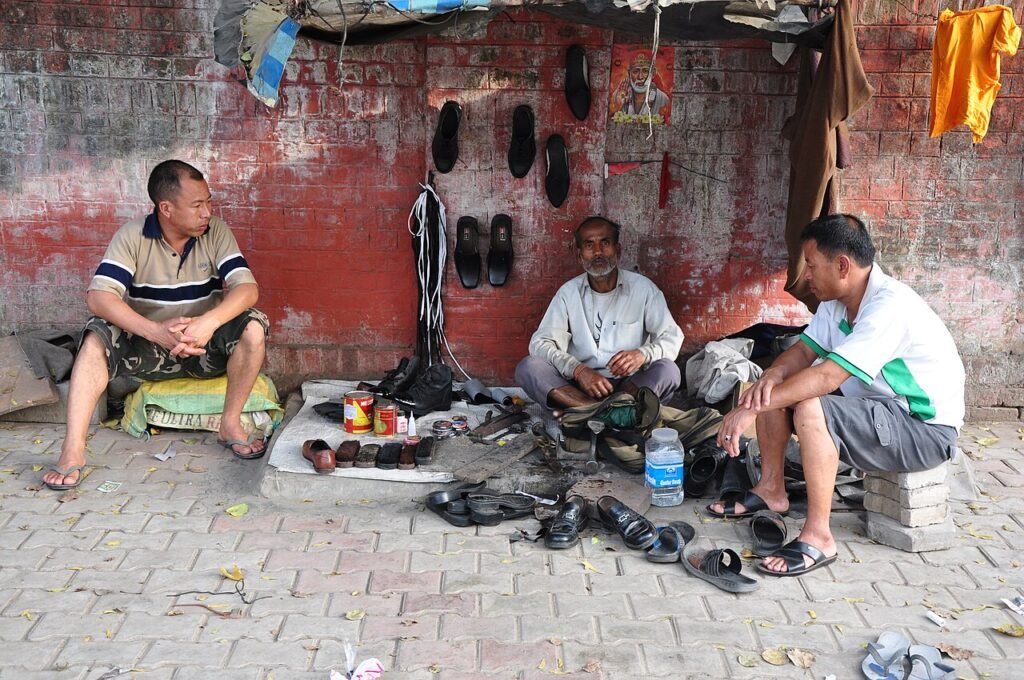
Under a neem tree at the corner of a busy bazaar in Guntur sat a cobbler named Subbayya. Every day he stitched torn sandals, polished dusty shoes, and hammered new heels onto old chappals. He earned enough for rice, dal, and a cup of tea, but not much more.
One hot afternoon, a rich merchant stepped out of his car to have his shoe mended. Subbayya watched the merchant’s gold rings flash in the sun.
“How lucky he is,” sighed Subbayya. “I wish I were a rich merchant.”
The First Wish
Now, the old neem tree above him was no ordinary tree. A tiny spirit lived in its branches, and that day it was in a playful mood.
Whoosh! Suddenly Subbayya was sitting in a big house, wearing silk and gold. He had servants, a car, and a shop full of fine cloth. He was delighted.
But the next week, the king’s minister rode through the town. Everyone bowed low, even the rich merchants. Subbayya bowed too, feeling small.
“The minister is more powerful than any merchant,” he grumbled. “I wish I were a minister.”
Higher and Higher
Whoosh! Now Subbayya was the minister. People bowed to him everywhere. But riding through the fields one summer day, the sun beat down so fiercely that he sweated through his fine robes.
“The sun is stronger than any minister,” he said. “I wish I were the sun!”
Whoosh! He became the sun, blazing over the land. He dried the rivers and scorched the fields. He felt mighty, until a dark cloud drifted in front of him and blocked his light.
“A cloud can stop the sun? Then I wish to be a cloud!”
As a cloud, he poured rain until the rivers flooded. But one great rock on a hill did not move at all, no matter how hard it rained.
“That rock is stronger than a cloud. I wish to be the rock!”
The Rock and the Chisel
Whoosh! Subbayya became the rock, tall and unshakable. The wind could not move him. The rain could not wash him away. He was very proud.
Then one morning he felt a sharp tap, tap, tap at his base. A man was chipping pieces from him with a hammer and chisel to make grinding stones.
“Who could be stronger than a rock?” Subbayya wondered. He looked down.
It was a humble stonecutter, sitting in the shade, humming a song as he worked.
For a long moment, the rock was silent. Then Subbayya laughed softly. “The stonecutter is not rich. He is not powerful. But he is happy, and his hands can shape even a mountain.”
He thought of his own small stall under the neem tree, his needle and thread, the people who smiled when he returned their shoes good as new.
“I wish,” he said, “to be Subbayya the cobbler once again.”
Home Again
Whoosh! Subbayya opened his eyes. He was back under the neem tree. A little girl stood in front of him holding a broken sandal.
“Can you fix it, Thatha? It’s my only pair, and school starts tomorrow.”
Subbayya smiled wider than he had in years. “Of course, amma. Sit here in the shade.”
As he stitched, he hummed the stonecutter’s song. Above him, the leaves of the neem tree rustled, almost as if they were laughing.
Moral of the Story
Happiness does not come from always wanting more. It comes from valuing what we have and the good we can do. There will always be someone richer or stronger, but contentment makes us truly rich.
Questions to Talk About
- Why was Subbayya never satisfied after each wish?
- What did he learn from the stonecutter?
- Why was he happy to be a cobbler again?
- What are three things you are thankful for today?
This contentment story is inspired by the folk tale of the stonecutter told across Asia. It is a wonderful bedtime story for talking about gratitude and happiness.
You May Also Enjoy
- The Magic Seed of Kindness: A Short Story About Sharing for Kids
- What the Old Banyan Tree Remembered
- The Village That Argued About the River
More: World History & Culture · Stories in 14 languages · Srikaram home
✍️ Have a story or article to share? Submit it for review and get published on Srikaram.org.