
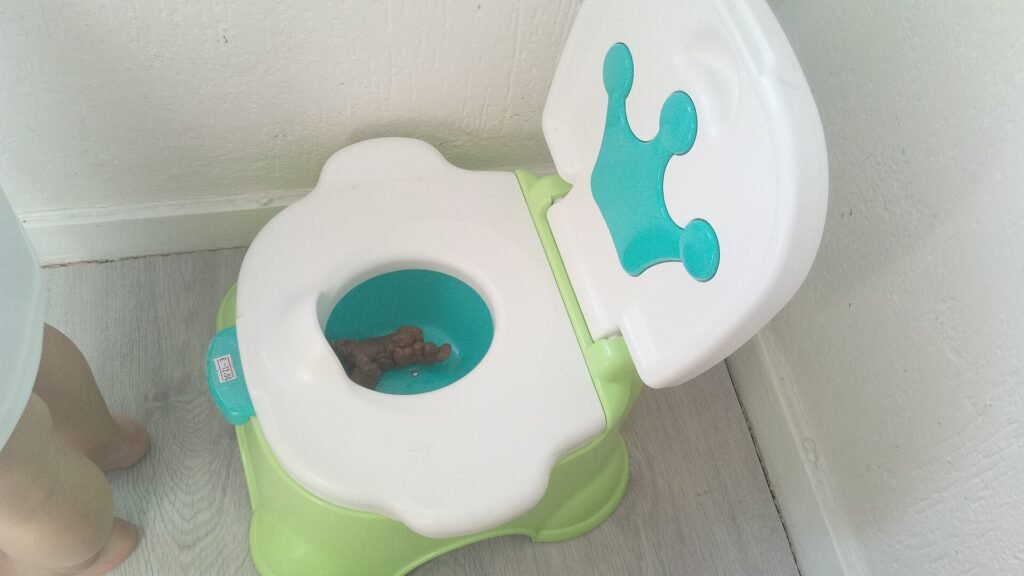
Potty Training Tips: A Calm, Step-by-Step Guide for Parents
Potty Training Tips — Calm, practical potty training tips for parents: signs of readiness, step-by-step method, handling accidents and night-time training for toddlers.
Potty training is a big milestone for toddlers and parents alike. It can feel stressful, but with patience, a calm approach, and good timing, most children learn to use the toilet successfully. Every child is different, so there’s no single “right” age or method.
When to Start: Signs of Readiness
Many children show readiness between about 18 months and 3 years. Look for signs like:
- Staying dry for two hours or more
- Showing interest in the toilet or in what adults do in the bathroom
- Telling you when they’ve wet or soiled their nappy
- Being able to pull pants up and down
- Following simple instructions
- Showing discomfort with a dirty nappy
Starting when your child is ready usually makes training faster and less stressful.
Get Prepared
- Choose a potty or toilet seat: Some children prefer a small potty; others like a child seat on the regular toilet with a step stool.
- Read books about using the potty.
- Let them watch: Children learn by copying family members.
- Pick a good time: Avoid starting during big changes like a new sibling, a move, or starting preschool.
Step-by-Step Potty Training Plan
1. Introduce the potty Let your child sit on it fully clothed at first, just to get comfortable.
2. Create a routine Encourage sitting on the potty at regular times: after waking up, after meals, before baths, and before bed.
3. Switch to underwear Many families move to cotton underwear or training pants during the day, which helps children feel when they’re wet.
4. Watch for signals Squirming, crossing legs, or going quiet in a corner may mean they need to go. Guide them to the potty calmly.
5. Teach hygiene Show how to wipe (girls from front to back), flush, and wash hands with soap every time.
6. Praise effort Celebrate trying, not just success: “You sat on the potty! Well done!” Stickers or a small chart can help.
Handling Accidents
Accidents are completely normal, even weeks or months into training.
- Stay calm. Say, “That’s okay, accidents happen. Let’s clean up.”
- Never punish or shame. Negative reactions can create fear and slow progress.
- Involve your child in simple clean-up, like putting wet clothes in the laundry basket.
Night-Time Training
Staying dry at night often comes later than daytime training, sometimes months or even years later. It depends on body development, not effort. Use night-time pull-ups if needed, limit drinks just before bed, and encourage a toilet visit before sleep.
Common Mistakes to Avoid
- Starting before your child is ready
- Pressuring or rushing
- Comparing with siblings or cousins
- Getting angry about accidents
- Giving up too quickly after a few setbacks
What About Regression?
Children who were trained may have more accidents during stress, illness, or change, such as a new baby. This is common and usually temporary. Go back to basics with patience.
When to Talk to a Doctor
Talk to your paediatrician if your child shows no interest by around age 3 to 4, has pain when using the toilet, frequent constipation, or starts having accidents after being dry for a long time.
A Cultural Note
In many Indian families, grandparents may encourage earlier training, sometimes using methods like timing and cues from infancy. Every family’s approach differs; what matters most is staying patient, positive, and responsive to your child.
Final Thoughts
Potty training is a journey, not a race. With readiness, routine, and plenty of encouragement, your child will get there, and one day you’ll hardly remember the nappy years.
You May Also Enjoy
- The Gifted Child Trap: Why Labelling Kids as ‘Smart’ Is Holding Them Back
- The Sibling Effect: How Brothers and Sisters Shape Intelligence and Character
- Raising Readers in a Video World: The 5-Step System That Actually Works
Featured image: Donald Trung Quoc Don (Chữ Hán: 徵國單) – Wikimedia Commons – © CC BY-SA 4.0 Intern / CC BY-SA 4.0 via Wikimedia Commons
More: Child Psychology · Stories in 14 languages · Srikaram home
✍️ Have a story or article to share? Submit it for review and get published on Srikaram.org.