Vinayaka Chavithi, known across India as Ganesh Chaturthi, is one of the most joyful festivals in Telugu homes. It falls on Bhadrapada Shuddha Chavithi, usually in August or September, and celebrates the birth of Lord Ganesha, the remover of obstacles and the god of new beginnings.
For children, it is a festival of colourful idols, delicious sweets, and exciting stories. Here is a family guide to Vinayaka Chavithi traditions in Andhra Pradesh and Telangana.
Bringing Home the Idol
A day or two before the festival, families bring home a Ganesha idol. Many families today choose clay idols (matti Vinayakudu) instead of plaster of Paris, because clay dissolves naturally in water and does not harm rivers and lakes. Some families even make small clay Ganeshas at home with their children.
The Pooja and the 21 Leaves
On the festival morning, the house is cleaned, a mandapam is decorated with flowers, fruits, and mango leaves, and the family performs the pooja together.
A special Telugu tradition is offering Ekavimsati Patri, twenty-one kinds of leaves, to Ganesha. These include leaves such as maredu (bael), ummetta, garika (durva grass), and jammi (shami). Collecting the patri is a lovely way to teach children about plants and nature.
The Vratha Katha and the Moon
After the pooja, elders read the Vinayaka Vratha Katha, the festival story. One famous part explains why people avoid looking at the moon on Chavithi night.
According to the story, Ganesha, full after eating many sweets, slipped while riding his little mouse, and the moon laughed at him. Ganesha’s family cursed the moon, and it came to be believed that anyone who sees the moon on this night may face false blame. The katha also tells how Lord Krishna was falsely accused of stealing the precious Syamantaka jewel, and it is said that listening to the story and placing akshintalu (sacred rice) on one’s head removes this effect.
Children love this story, and it gently teaches that mocking others brings trouble.
Festival Foods
Ganesha is famous for his love of sweets, so the naivedyam is a feast:
- Undrallu: Steamed rice-flour balls, sometimes with chana dal.
- Kudumulu / Modakalu: Steamed dumplings filled with coconut and jaggery.
- Panakam and Vadapappu: A cool jaggery drink and soaked moong dal.
- Payasam: Sweet milk pudding.
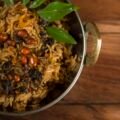
- Pulihora: Tangy tamarind rice.
Nimajjanam
After one, three, five, nine, or more days, the idol is taken for nimajjanam (immersion) with music, dancing, and chants of “Ganapati Bappa Morya” and “Jai Bolo Ganesh Maharaj ki Jai.” In Hyderabad, the giant Khairatabad Ganesh and the city-wide processions are famous across India.
Eco-conscious families immerse small clay idols in a bucket or tub at home and then pour the dissolved clay into their garden, a beautiful way to teach children to care for nature.
How to Celebrate With Kids
- Make a small clay Ganesha together.
- Collect as many of the 21 patri leaves as you can find and learn their names.
- Help prepare undrallu or kudumulu.
- Read or tell the Vinayaka Vratha Katha in simple words.
- Talk about Ganesha’s qualities: wisdom, patience, and removing obstacles.
Final Thoughts
Vinayaka Chavithi is a festival of new beginnings. It is a perfect time to encourage children to start something new, whether it is learning a Telugu letter, a new song, or a good habit, with Ganesha’s blessings.
You May Also Enjoy
- 5 Hidden Life Lessons in the Bhagavad Gita for Today’s Teenagers
- The Physics of the Pushpaka Vimana: Ancient Myth or Early Science?
- The Kakatiya Dynasty: Leadership Lessons from Ancient Warangal
✍️ Have a story or article to share? Submit it for review and get published on Srikaram.org.