
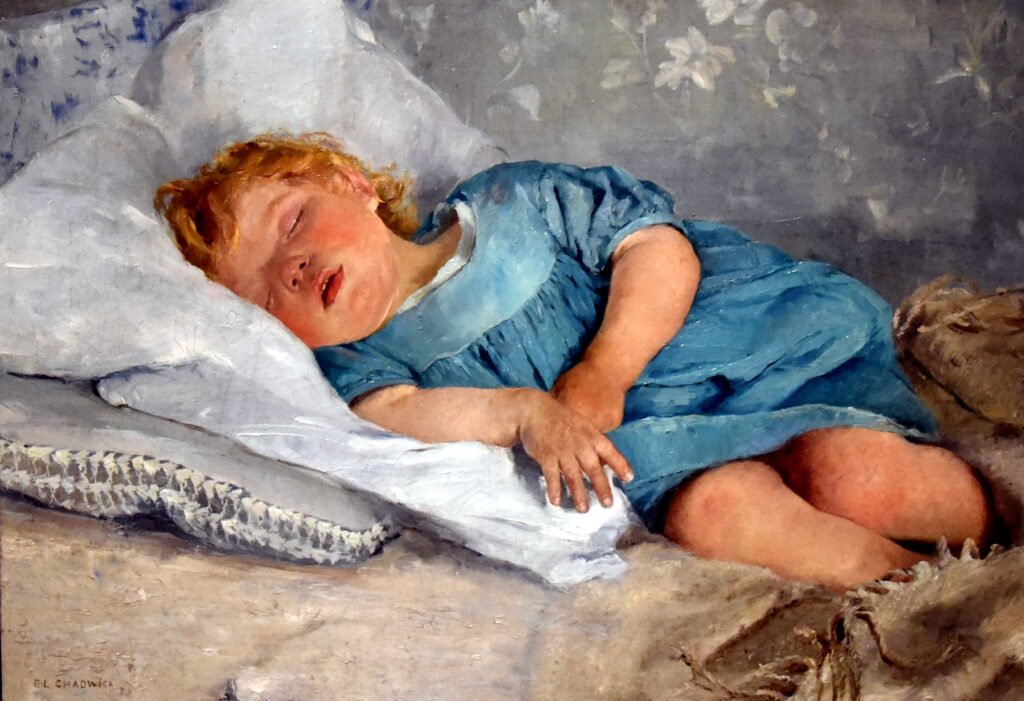
Sleep and the Developing Brain: The Science Every Parent Must Understand
Sleep and the Developing Brain — Why children’s sleep matters for brain development, memory and mood. Sleep needs by age and science-based tips every parent should know.
Sleep is not a passive state. For children, it is arguably the most cognitively productive period of the entire day — a time when the brain performs functions that are impossible while awake: memory consolidation, emotional processing, neural pruning, growth hormone release, and the clearance of metabolic waste products from brain tissue through the glymphatic system.
A child who is chronically under-slept is not merely tired. They are operating with a physiologically compromised brain — and the compromises are systematic, serious, and measurable.
How Much Sleep Do Children Actually Need?
The American Academy of Sleep Medicine’s evidence-based recommendations: infants 4–12 months need 12–16 hours including naps. Toddlers 1–2 years need 11–14 hours including naps. Preschoolers 3–5 years need 10–13 hours. School-age children 6–12 years need 9–12 hours. Teenagers 13–18 years need 8–10 hours. Most children in high-screen, high-activity households are achieving significantly less than these targets.
What Happens During Children’s Sleep
- Memory consolidation: The hippocampus, which temporarily stores new memories during the day, transfers them to the neocortex for long-term storage during sleep — specifically during slow-wave (deep) sleep. A child who sleeps poorly after learning something new retains dramatically less of it. This is why studying before bed, followed by adequate sleep, produces better retention than the same studying followed by poor sleep.
- Emotional regulation: REM sleep (the dreaming stage) is when the brain processes emotional experiences from the day, stripping the emotional charge from memories while retaining the factual content. Children who are REM-deprived are emotionally dysregulated: more irritable, more anxious, more prone to meltdowns over minor triggers.
- Physical growth: The majority of growth hormone is secreted during the first hours of deep sleep. Children who are chronically sleep-deprived show measurably different growth trajectories. The phrase ‘growing in your sleep’ is not a metaphor.
- Brain cleaning: The glymphatic system — a waste-clearance network unique to the brain — operates almost exclusively during sleep, flushing out metabolic waste products including amyloid proteins associated with neurological disease. Sleep is, literally, the brain’s nightly maintenance window.
The Sleep-Disrupting Modern Household
Screen light (particularly blue light from smartphones and tablets) suppresses melatonin production by up to three hours, delaying sleep onset. Irregular sleep schedules — earlier on weekends, later on weekdays — create a form of social jetlag that impairs cognitive function. Overscheduled afternoons and evenings mean children arrive at bedtime still physiologically activated rather than winding toward sleep.
Building a Sleep-Supportive Environment
- Establish a consistent bedtime and wake time, including on weekends. Consistency is more important than the specific hour.
- Create a 60-minute ‘wind-down’ routine with no screens. Reading, gentle conversation, a warm bath, or quiet music signal the nervous system to begin melatonin production.
- Keep the sleep environment cool (16–19°C is optimal for sleep onset), dark, and quiet.
- Avoid exercise within 90 minutes of bedtime for older children. Physical activity raises core body temperature, which inhibits sleep onset.
- For teenagers, recognise that their circadian rhythm genuinely shifts — their melatonin production begins later in the evening. An 8:30 PM bedtime that works for a 10-year-old is physiologically wrong for a 15-year-old.
“Every hour of sleep your child loses tonight costs them far more than that hour. It costs them memory, mood, immune function, and growth. Sleep is not downtime. It is when the work of being human gets done.”
Related Reading
- The Perfect Bedtime Routine for Kids: Steps, Sleep Needs, and Tips
- The Friendship Science: What Research Says About Children’s Social Development
- How Children Learn to Lie — And What It Actually Tells You About Their Development
Featured image: Osama Shukir Muhammed Amin FRCP(Glasg) / CC BY-SA 4.0 via Openverse
More: Child Psychology · Stories in 14 languages · Srikaram home
✍️ Have a story or article to share? Submit it for review and get published on Srikaram.org.