
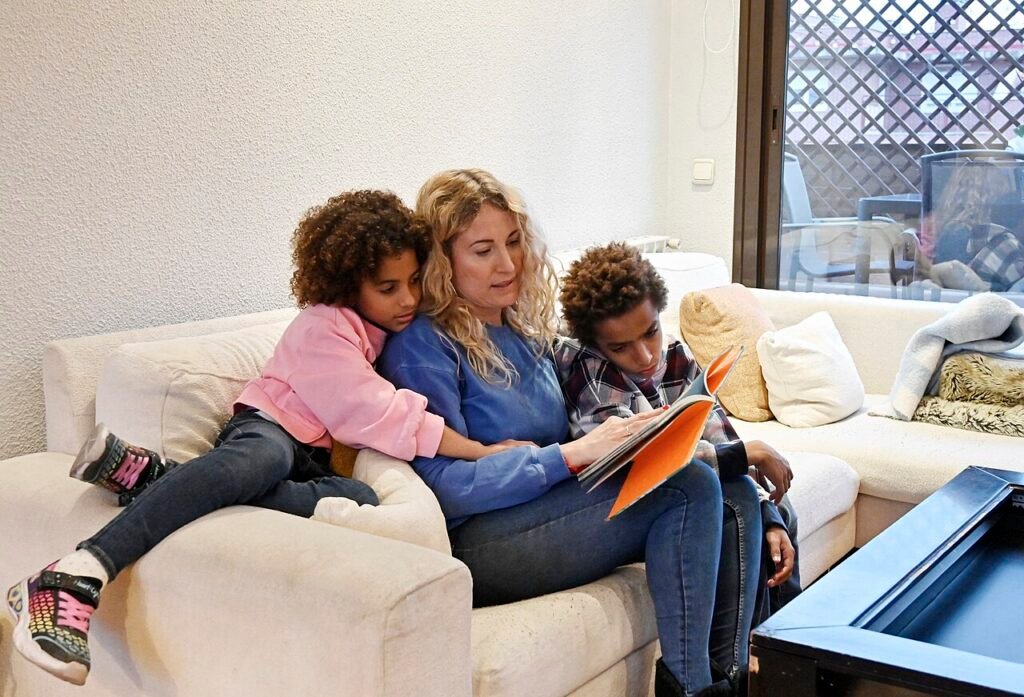
Raising Bilingual Children: A Practical Guide for Telugu-Speaking Families Abroad
Many Telugu families living in the United States, the UK, Australia, and beyond share the same worry: Will my child grow up speaking our language? Children pick up English quickly from school, friends, and screens. Telugu, on the other hand, often fades to a few words understood but rarely spoken.
The good news is that raising bilingual children is very achievable. Research on bilingual development consistently shows that children can learn two or more languages from birth without confusion or long-term delay. What makes the difference is not talent but consistent, meaningful exposure. This guide walks you through practical strategies that work in real homes.
Why Bilingualism Is Worth the Effort
Beyond keeping a family connection alive, speaking two languages offers real benefits:
- Stronger family bonds. Children who speak Telugu can talk freely with grandparents and relatives, not just smile politely.
- Cultural identity. Language carries stories, songs, humour, and festival traditions that are hard to translate.
- Cognitive flexibility. Many studies link bilingualism with better attention control and the ability to switch between tasks.
- Easier language learning later. Children who grow up with two languages often find a third easier to learn.
Choose a Family Language Strategy
There is no single correct method, but choosing one on purpose helps everyone stay consistent.
One Parent, One Language (OPOL)
Each parent speaks mainly one language to the child. For example, Amma speaks Telugu while Nanna speaks English. This works well in mixed-language households, but the Telugu-speaking parent must be very consistent, because English exposure outside the home is already strong.
Minority Language at Home (ML@H)
Everyone speaks Telugu at home, and the child learns English at school and in the community. For many diaspora families this is the most effective approach, because it gives Telugu the largest possible share of the child’s day.
Time and Place
Some families choose Telugu-only times: dinner, weekend mornings, car rides, or bedtime stories. This is a helpful option when both parents are more comfortable in English.
Make Telugu Useful, Not Just Required
Children learn a language when they need it and enjoy it. A few ideas:
- Tell bedtime stories in Telugu. Folk tales, Panchatantra stories, and Tenali Rama stories are perfect.
- Sing together. Lullabies, festival songs, and simple rhymes build vocabulary and rhythm.
- Cook together. Name ingredients and steps in Telugu while making pesarattu or payasam.
- Schedule video calls with grandparents. Ask grandparents to speak only Telugu, even if the child answers in English at first.
- Choose Telugu media thoughtfully. Short cartoons, children’s songs, and audio stories can support what you speak at home.
What to Do When Your Child Answers in English
This is the most common stage, and it is normal. Your child understands Telugu but replies in English because it feels easier. Try these gentle techniques:
- Recast the answer. If your child says “I want water,” reply warmly, “Oh, neellu kavala? Here you go.”
- Play the curious parent. Occasionally ask, “Telugu lo cheppu?” in a playful tone, never as punishment.
- Avoid shaming or correcting harshly. Pressure makes children associate the language with stress.
- Celebrate small wins. Notice and praise every Telugu sentence.
Build a Telugu Community
A language survives when children hear other children speak it. Look for Telugu cultural associations, weekend language classes, temple programmes, festival celebrations, and online classes. Playdates with other Telugu-speaking families can do more than hours of drills.
Add Reading and Writing Gradually
Speaking comes first. Once your child is comfortable talking, introduce the Telugu alphabet (aksharalu) with games, flash cards, and tracing sheets. Short daily sessions of 10 to 15 minutes work better than long weekly lessons.
Common Myths About Bilingual Children
- Myth: Two languages will confuse my child. Fact: Mixing words from both languages is a normal and temporary part of bilingual development.
- Myth: We should focus on English first so school goes well. Fact: A strong home language usually supports, rather than harms, school learning.
- Myth: It is too late after age five. Fact: Children of any age can build their heritage language with steady exposure.
If you ever have concerns about your child’s speech development, talk to your paediatrician or a speech-language professional, ideally one with experience of bilingual children.
Final Thoughts
Raising bilingual children is a marathon, not a sprint. Some weeks will feel like progress; others will feel like everyone is speaking English again. Keep going. Every story, song, and conversation in Telugu is a gift your child will carry for life.
You May Also Enjoy
- Why Supplemental Education is the Secret to Beating Classroom Burnout
- 4 Creative Emotion Wheel Activities to Build Your Child’s Emotional Vocabulary
- The Truth About AI in Early Childhood Education: Helpful or Harmful?
More: Child Psychology · Stories in 14 languages · Srikaram home
✍️ Have a story or article to share? Submit it for review and get published on Srikaram.org.