
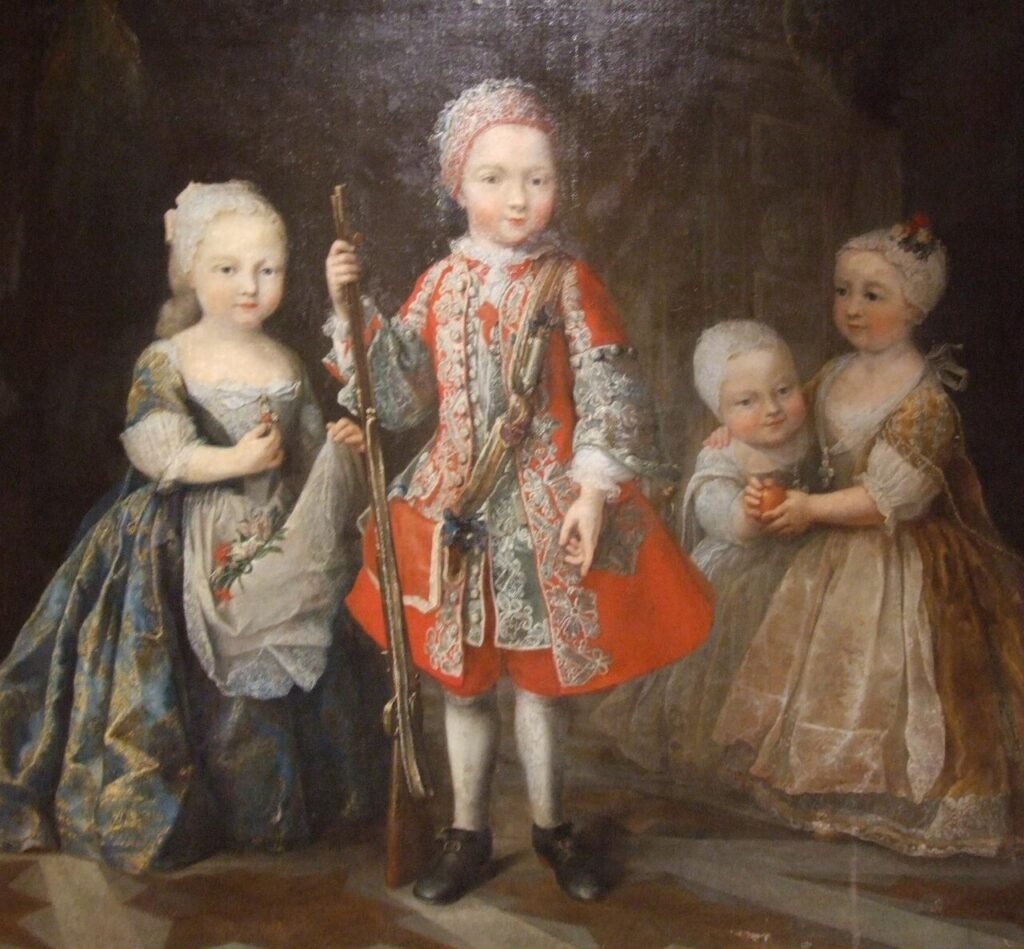
Sibling Rivalry: Why Brothers and Sisters Fight and 10 Ways Parents Can Help
“He took my pencil!” “She’s copying me!” “It’s not fair!” If you have more than one child, these words probably sound familiar. Sibling rivalry, the jealousy and competition between brothers and sisters, is one of the most common challenges parents face.
The good news: some conflict between siblings is normal and can even help children learn important social skills. With the right approach, parents can reduce fighting and help siblings build strong, lifelong bonds.
Why Do Siblings Fight?
- Competition for attention: Children naturally want their parents’ love and time.
- Different temperaments: One child may be loud and energetic, another quiet and sensitive.
- Developmental stages: A toddler grabbing toys and a seven-year-old wanting privacy will clash.
- Feeling of unfairness: Children are very sensitive to who gets what.
- Stress or tiredness: Hungry, tired, or bored children fight more.
- Learning conflict: Children copy the ways adults around them handle disagreement.
10 Ways to Reduce Sibling Rivalry
1. Avoid comparisons “Why can’t you be as neat as your sister?” breeds resentment. Appreciate each child for who they are.
2. Spend one-on-one time with each child Even 10 to 15 minutes of special time with each child can reduce attention-seeking conflict.
3. Treat children fairly, not always equally Fair means each child gets what they need. Explain: “Your brother needs help with his shoes because he’s three. You needed help too when you were three.”
4. Set clear family rules “We don’t hit. We don’t call names. We ask before taking.” Apply them to everyone.
5. Teach problem-solving skills Help children express feelings and find solutions: “You both want the tablet. What could we do?” Options might include taking turns with a timer.
6. Don’t always play referee For minor squabbles, give children a chance to solve it themselves. Step in when there is hitting, name-calling, or one child is always overpowered.
7. Acknowledge feelings “It’s frustrating when your brother knocks down your tower.” Feeling understood reduces the need to fight.
8. Encourage teamwork Give siblings shared goals: building a fort, cooking together, or cleaning up a room “as a team.”
9. Give each child personal space Let each child have some belongings they don’t have to share and a place to be alone.
10. Celebrate kindness between siblings “I saw you helping your sister with her homework. That was so kind.” Positive attention encourages more cooperation.
When a New Baby Arrives
Older children may feel displaced by a new sibling. Involve them in caring for the baby, spend special time with them, and reassure them often that they are loved.
Cultural Notes
In many Telugu families, elder siblings are taught to take care of younger ones, and younger ones to respect anna and akka. These values can nurture strong bonds, but avoid always asking the older child to “give in” because they are older. Both children need to feel heard.
When to Seek Help
If fighting becomes physically dangerous, involves ongoing bullying of one child, or causes serious distress, consider talking to a family counsellor or child psychologist.
Final Thoughts
Siblings are often our longest relationships in life. Today’s fights over crayons can become tomorrow’s lifelong friendship. With patience and fairness, parents can help brothers and sisters learn to disagree, make up, and stand by each other.
You May Also Enjoy
- The Decline of Handwriting: Does Cursive Still Matter in a Digital World?
- Teaching Financial Literacy: How to Explain Investing to a 7-Year-Old
- AI in the Classroom: Will ChatGPT Help or Hinder Your Child’s Learning?
More: Child Psychology · Stories in 14 languages · Srikaram home
✍️ Have a story or article to share? Submit it for review and get published on Srikaram.org.