
15 Fun Math Games for Kids at Home (No Worksheets Needed)
Many children think maths is boring, but it doesn’t have to be. When numbers become part of games, children practise without even realising they’re learning. Here are fifteen fun math games for kids that you can play at home with everyday items.
Games for Ages 3 to 5
1. Counting Treasure Hunt Hide ten small objects around a room. As your child finds them, count together. Try counting in English and Telugu: okati, rendu, moodu…
2. Snack Maths Use raisins, peanuts, or fruit pieces. “You have 5 grapes. If you eat 2, how many are left?” Eat the answers!
3. Shape Hunt Look for circles, squares, and triangles around the house: clocks, windows, sandwiches.
4. Number Hopscotch Draw numbers in chalk and call out a number for your child to hop on.
5. Sorting Game Sort buttons, blocks, or toys by colour, size, or shape. Sorting builds early logic skills.
Games for Ages 6 to 8
6. Card Addition War Each player flips two cards and adds them. The highest sum wins the cards.
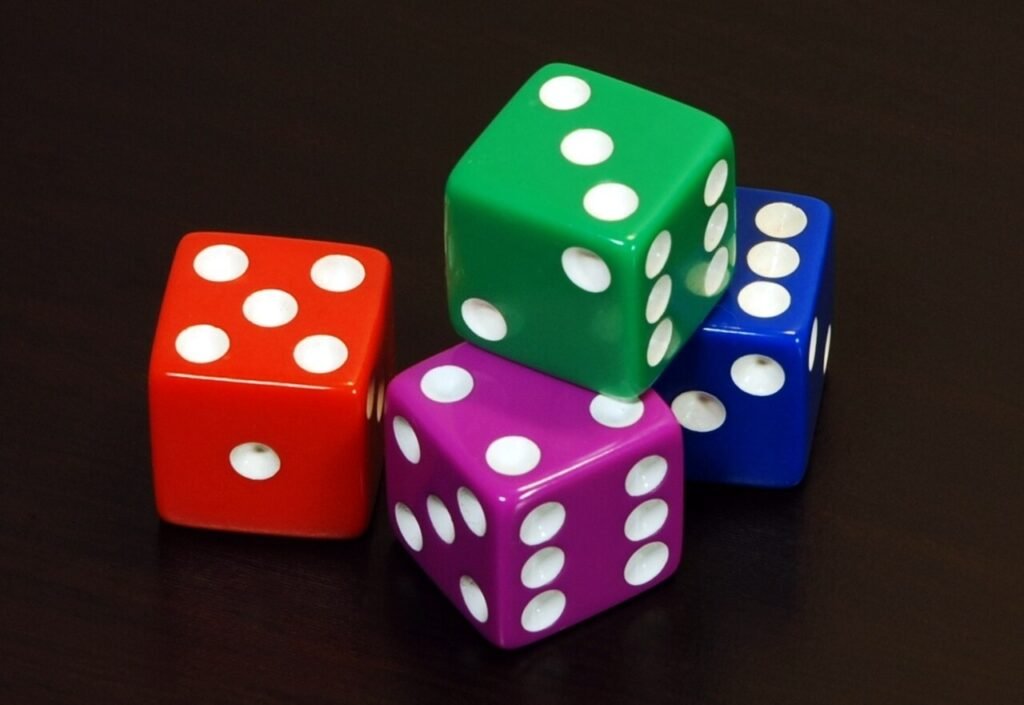
7. Dice Race Roll two dice, add (or multiply) the numbers, and move that many spaces on a homemade board.
8. Shop Play Set up a pretend shop with price tags. Children practise adding prices and giving change using real or toy coins.
9. Guess My Number Think of a number between 1 and 100. Your child guesses, and you say “higher” or “lower.” This builds number sense and logical thinking.
10. Snakes and Ladders (Vaikuntapali) This traditional Indian game helps young children count, recognise numbers, and understand moving forward and back.
Games for Ages 9 to 12
11. Multiplication Bingo Make bingo cards with products (12, 24, 36…). Call out multiplication facts; players cover the answers.
12. Kitchen Fractions While cooking, use measuring cups: “We need 1½ cups of rice. How many half cups is that?”
13. Budget Challenge Give your child a pretend budget for a party or a trip and ask them to plan what to buy.
14. Pallanguzhi / Vamana Guntalu This traditional South Indian board game played with seeds or shells involves counting, strategy, and mental arithmetic.
15. Estimation Jar Fill a jar with beans or marbles. Everyone guesses how many, then counts together. Who was closest?
Why Math Games Work
- Low pressure: Games reduce anxiety about getting answers wrong.
- Repetition: Children happily practise the same skills again and again.
- Real-world connection: Money, cooking, and shopping show why maths matters.
- Family bonding: Playing together makes learning joyful.
Tips for Parents
- Keep it fun: Stop before your child gets bored or frustrated.
- Talk about thinking: Ask “How did you work that out?”
- Celebrate mistakes: Mistakes are part of learning.
- Be positive about maths: Avoid saying “I was bad at maths too”; children pick up our attitudes.
Final Thoughts
Maths is everywhere: in the kitchen, the market, and the playground. By turning numbers into games, you help your child build confidence and a lifelong love of problem-solving.
You May Also Enjoy
- The Gifted Child Trap: Why Labelling Kids as ‘Smart’ Is Holding Them Back
- The Sibling Effect: How Brothers and Sisters Shape Intelligence and Character
- Raising Readers in a Video World: The 5-Step System That Actually Works
More: Child Psychology · Stories in 14 languages · Srikaram home
✍️ Have a story or article to share? Submit it for review and get published on Srikaram.org.
Related Posts
Science for Kids Human Body Facts for Kids: 30 Amazing Things Your Body Does Every Day
Child Psychology The Psychology of Positive Reinforcement: Moving Beyond ‘Good Job’
Child Psychology The Decline of Handwriting: Does Cursive Still Matter in a Digital World?
Child Psychology How to Improve Concentration in Kids: 15 Practical Tips That Work
Child Psychology Coding for Kids: How to Get Started (Free Tools, Age Guide, and Tips)
Telugu Language తెలుగు సాహిత్యంలో విభిన్న శైలులు
Popular Posts
Telugu Language Differences between Andhra Telugu and Telangana Telugu
World History & Culture Differences between Mahabharata and Ramayana
Telugu Language సమాసాలు: నిర్వచనం, రకాలు మరియు ఉదాహరణలు
Telugu Language Samyuktha Aksharalu in Telugu
World History & Culture Impact of Mahabharata on Indian culture
Food, Culture and Heritage శ్రీశ్రీ (శ్రీరంగం శ్రీనివాసరావు) Sri Sri (Srirangam Srinivasa Rao)